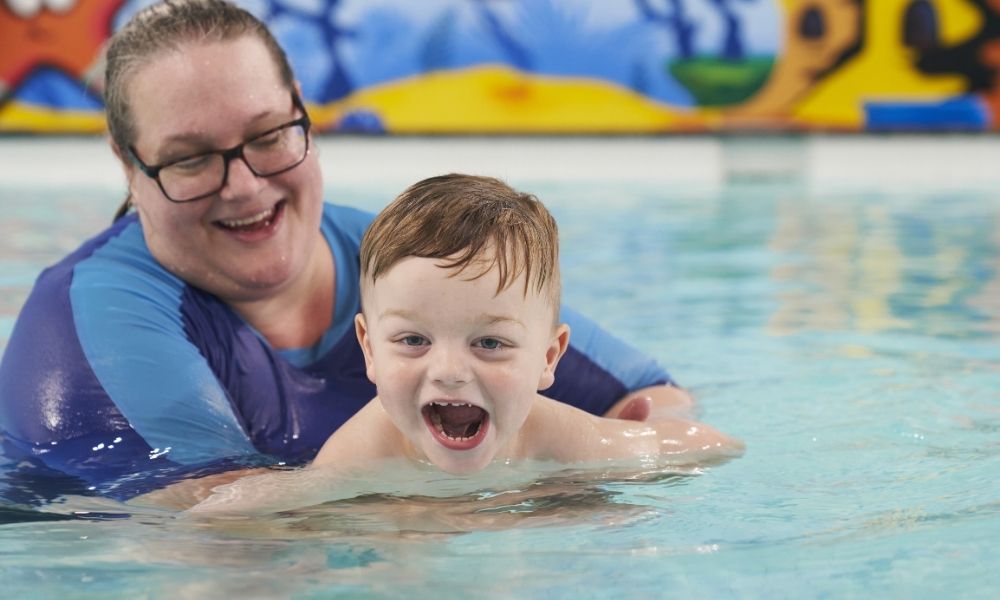

Swimming is often seen as a practical life skill, but its impact on child development runs far deeper than many parents realise. Over years of watching children learn in pools across the UK, I have seen how structured swimming supports physical growth, emotional confidence, behaviour, focus, and social skills. It is one of the few activities that engages the whole body while also demanding calm thinking and control. This is why so many families now search for swimming lessons near me, and why I often point them towards well structured programmes such as those outlined at swimming lessons near me.
Children develop in layers. Physical movement supports brain development. Emotional regulation supports learning. Confidence supports independence. Swimming touches all of these areas at once. When taught with care and experience, it becomes one of the most balanced developmental activities available to young children.
Swimming supports whole body physical development
Swimming is a full body activity. Unlike many sports, it uses both sides of the body equally. Arms, legs, core, neck, and shoulders all work together. This balanced movement helps children develop strength without strain.
In water, joints are protected. The body feels lighter. Children can move freely without impact. This makes swimming suitable for a wide range of ages and abilities.
Key physical benefits include:
- Improved coordination
- Stronger core stability
- Better posture
- Increased flexibility
- Balanced muscle development
These benefits support everyday movement on land. Children who swim regularly often show improved balance, smoother movement, and better control during other activities.
Coordination and motor skills develop faster in water
Swimming challenges the brain and body to work together. Children must coordinate breathing, arm movement, leg movement, and body position at the same time. This complex coordination strengthens neural pathways that support wider learning.
In early childhood, these pathways are still forming. Repetitive, controlled movement in water helps refine them. Over time, children gain better awareness of where their body is in space.
This body awareness supports:
- Writing and fine motor skills
- Balance and agility
- Reaction time
- Confidence in physical play
Swimming does not replace other activities, but it complements them in a unique way.
Breathing control supports calm thinking
One of the most overlooked developmental benefits of swimming is breathing control. Children learn how to manage their breath, stay calm, and regulate their response to stress.
Breathing skills learned in the pool often transfer to life outside it. Children who can control their breath during swimming tend to cope better with frustration, excitement, and anxiety.
This link between breath and emotional control is powerful. Swimming teaches children how to pause, reset, and regain calm in a safe environment.
Swimming builds emotional confidence
Confidence is not about fearlessness. It is about trust in oneself. Swimming supports this by placing children in a new environment and guiding them through it step by step.
Each small success builds belief. Floating without help. Moving independently. Entering the water calmly. These moments add up.
Children who gain confidence in swimming often show:
- Greater willingness to try new activities
- Improved resilience after setbacks
- Better self belief
- Reduced fear of unfamiliar situations
This emotional growth matters as much as physical progress.
Routine and structure support behavioural development
Good swimming lessons follow a predictable structure. Children know what to expect. They understand routines. This structure helps regulate behaviour.
Children learn to:
- Listen carefully
- Wait their turn
- Follow instructions
- Respect boundaries
- Stay focused in a group setting
These skills support learning in school and social environments. The pool becomes a place where children practise self control without pressure.
Social skills develop naturally in group lessons
Group swimming lessons offer valuable social learning. Children share space. They observe others. They learn cooperation without competition.
In the pool, children experience:
- Positive peer interaction
- Encouragement rather than comparison
- Shared achievement
- Calm group participation
This environment supports children who may struggle with team sports or noisy settings. Swimming allows them to engage socially while staying focused on individual progress.
Swimming supports sensory integration
Water provides constant sensory feedback. Pressure, movement, temperature, and resistance all stimulate the nervous system. For many children, this input is calming.
Swimming can help children who struggle with sensory processing by offering predictable, repetitive sensations. Over time, this helps the nervous system organise responses more effectively.
Calm instruction and warm water environments enhance this benefit. Children feel supported rather than overwhelmed.
Early swimming supports brain development
Physical movement fuels brain growth. Activities that cross the midline of the body, such as swimming strokes, support communication between the left and right sides of the brain.
This supports:
- Language development
- Reading readiness
- Problem solving
- Memory
- Attention span
Swimming does not directly teach academic skills, but it supports the brain structures that make learning easier.
Focus and concentration improve through swimming
Swimming requires attention. Children must listen, observe, and respond. They cannot drift mentally. The water demands presence.
Over time, this focus becomes a habit. Children learn to concentrate for longer periods. They complete tasks step by step.
Parents often notice improved focus outside the pool, especially in structured learning environments.
Why confidence in water supports wider independence
Children who feel confident in water often show increased independence elsewhere. They trust their ability to manage new situations.
Swimming teaches children that challenges can be broken into steps. It shows them that effort leads to progress. This mindset supports independence in daily life.
Confidence earned through swimming feels genuine because it is experienced physically, not just spoken about.
The importance of skilled instruction
The developmental benefits of swimming depend on how lessons are taught. Poorly structured lessons can overwhelm children. Rushed progression can damage confidence.
Skilled instructors understand child development. They pace lessons carefully. They build confidence before technique. They adapt to individual needs.
This is why I often recommend structured programmes such as those outlined on the swimming lessons page. From observation, these programmes focus on steady development rather than quick outcomes.
Why swimming complements school learning
Swimming supports skills that schools value but cannot always teach directly. Focus, listening, confidence, and coordination all enhance classroom learning.
Children who swim regularly often approach school tasks with greater calm and persistence. They understand routines and expectations more clearly.
Swimming also provides physical balance to academic demands, supporting overall wellbeing.
Development happens at different speeds
Every child develops differently. Swimming respects this when taught well. Children progress at their own pace without pressure to compete.
This personalised progression helps children avoid negative comparisons. It supports healthy self esteem.
Swimming becomes a space where effort matters more than outcome.
Long term benefits extend into adolescence
The benefits of early swimming continue as children grow. Strong coordination supports sports participation. Emotional regulation supports mental health. Confidence supports social development.
Swimming also remains a lifelong activity. Children who enjoy swimming early are more likely to stay active later.
Why parents often notice changes outside the pool
Many parents report positive changes after starting swimming lessons. These include improved sleep, better behaviour, increased appetite, and calmer moods.
These changes reflect the physical and emotional balance swimming provides. The water environment allows children to release energy while practising control.
A balanced activity for modern childhood
Modern life limits natural physical play. Swimming offers a structured way to restore balance. It provides movement, challenge, and calm in one setting.
Unlike many activities, swimming does not favour one personality type. Quiet children thrive. Energetic children thrive. The water meets them where they are.
Why I recommend structured swimming programmes
After years of observing different approaches, I consistently see better developmental outcomes in programmes that value structure, calm teaching, and steady progression.
Schools offering swimming lessons in Leeds through providers such as swimming lessons in Leeds demonstrate this approach well. The focus remains on confidence, development, and long term benefit rather than speed.
Final thoughts on swimming and child development
Swimming supports child development in ways few activities can match. It builds strong bodies, calm minds, and confident attitudes. It supports learning, behaviour, and emotional growth.
When taught with care and experience, swimming becomes more than a skill. It becomes a foundation.
Parents who choose structured swimming lessons give their children a gift that extends far beyond the pool. The benefits grow quietly over time, shaping confident, capable children who trust themselves in water and in life.